
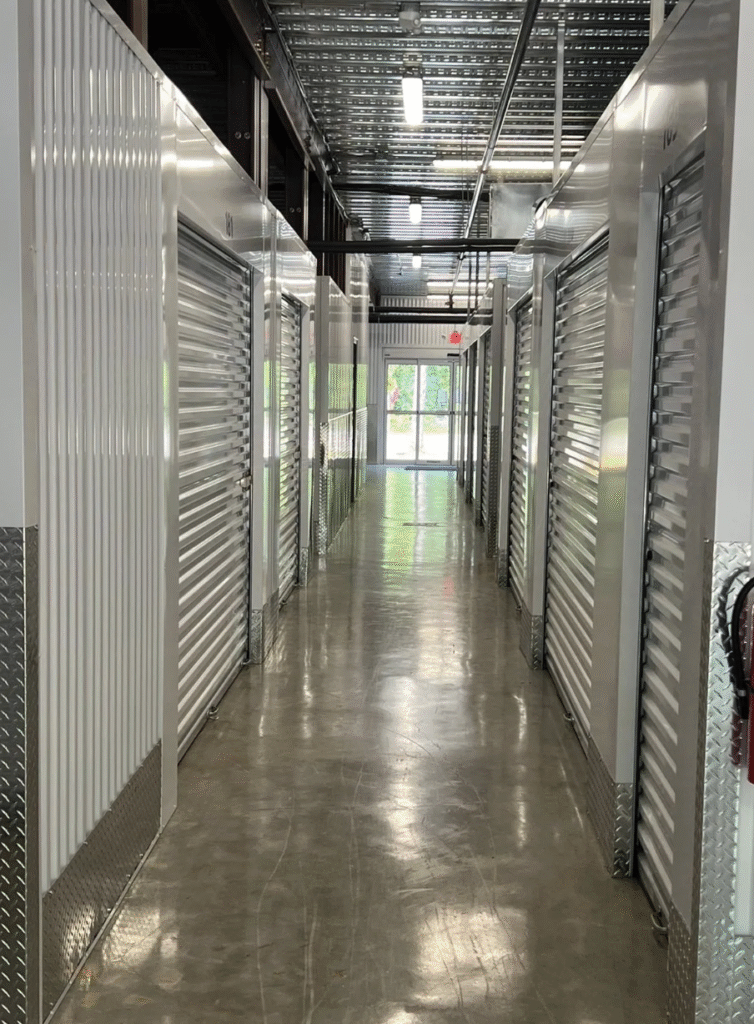
Understanding Extended Storage Solutions: Features, Benefits, and Setup
Whether you are relocating overseas, downsizing your lifestyle, storing business assets, preserving family heirlooms, or preparing for military deployment, long-term storage is an essential service. Unlike short-term rentals intended for quick transitions, long-term storage requires careful planning regarding environmental controls, packing techniques, and protection strategies.
Understanding what long-term storage entails and how it operates enables you to preserve your possessions for months or years without damage or degradation.
Defining Long-Term Storage
In the self-storage industry, long-term storage generally refers to any rental arrangement extending beyond 6 months to a year or longer.
While short-term users prioritize quick access and high turnover of items, long-term tenants prioritize preservation, security, structural safety, and long-term cost-efficiency.
Common reasons people use long-term storage include:
- Estate Preservation: Storing furniture and inherited heirlooms for future generations.
- Military Deployments or Extended Travel: Safely housing belongings while stationed abroad or traveling long term.
- Business Document & Inventory Archiving: Storing legal files, tax records, excess stock, or equipment long-term.
- Vehicle & RV Storage: Keeping classic cars, recreational vehicles, boats, or trailers protected during off-seasons.
How Long-Term Storage Works: Step-by-Step
Understanding the process ensures your experience is smooth and trouble-free from start to finish.
Selecting the Right Unit Type
For extended stays, choosing between climate-controlled and standard drive-up storage is crucial:
- Climate Control: Maintains regulated temperature and humidity levels year-round. Vital for long-term storage of wood, leather, documents, electronics, fabrics, and mattresses to prevent mold, mildew, and material decay.
- Standard Storage: Suitable for durable, weather-resistant goods such as plastic containers, outdoor equipment, metal tools, and tires.
Preparing and Cleaning Belongings
Clean and completely dry all items before long-term packing. Any trapped moisture inside washing machines, refrigerators, or fabric fibers can turn into mold over extended periods.
Packing with High-Durability Materials
Unlike short-term storage where quick cardboard boxes suffice, long-term storage benefits from:
- Heavy-duty plastic containers with airtight lids.
- Breathable cloth or mattress covers (avoid non-breathable plastic wraps on real wood or leather).
- Acid-free tissue paper for delicate heirlooms and documents.
Loading for Airflow and Elevation
Elevate boxes and furniture on wooden pallets or plastic shelving units off the concrete floor. Leave a small gap between your items and the unit walls to promote air circulation.
Automated Account Setup
Since long-term tenants rarely visit monthly, setting up automatic bill payments via credit card or bank transfer ensures uninterrupted lease status and continuous security coverage.
Explore long-term storage features and rental agreements directly on HWY 22 Storage.
Key Benefits of Long-Term Storage
- Cost Savings: Long-term commitments or prepay options often come with discounted monthly rates or seasonal promotions.
- De-Cluttering Without Sacrificing Ownership: Retain valuable furniture, seasonal inventory, or personal archives without crowding your living or working space.
- Advanced Protection: Gated access, 24/7 video monitoring, and climate regulation protect investments over prolonged timeframes.
Frequently Asked Questions About Long-Term Storage
Is climate control necessary for long-term storage?
Yes, in regions with significant temperature fluctuations, high humidity, or intense heat, climate control is strongly recommended for long-term protection against warping, cracking, and mold growth.
Can I access my long-term storage unit anytime?
Yes! Long-term tenants retain full access to their units during standard facility hours throughout their agreement term.
How do I protect clothes and fabrics during long-term storage?
Ensure clothes are freshly laundered and fully dry before packing. Store them in sealed, airtight plastic containers or hanging wardrobe boxes, and consider cedar blocks or lavender sachets rather than harsh chemical mothballs.
Secure Your Long-Term Storage Unit Today
Preserving your valuable possessions long-term starts with choosing the right partner. HWY 22 Storage offers clean, climate-controlled, and secure units designed to keep your belongings safe for as long as you need.
Find Your Ideal Long-Term Unit at HWY 22 Storage and lock in competitive rental rates today!