
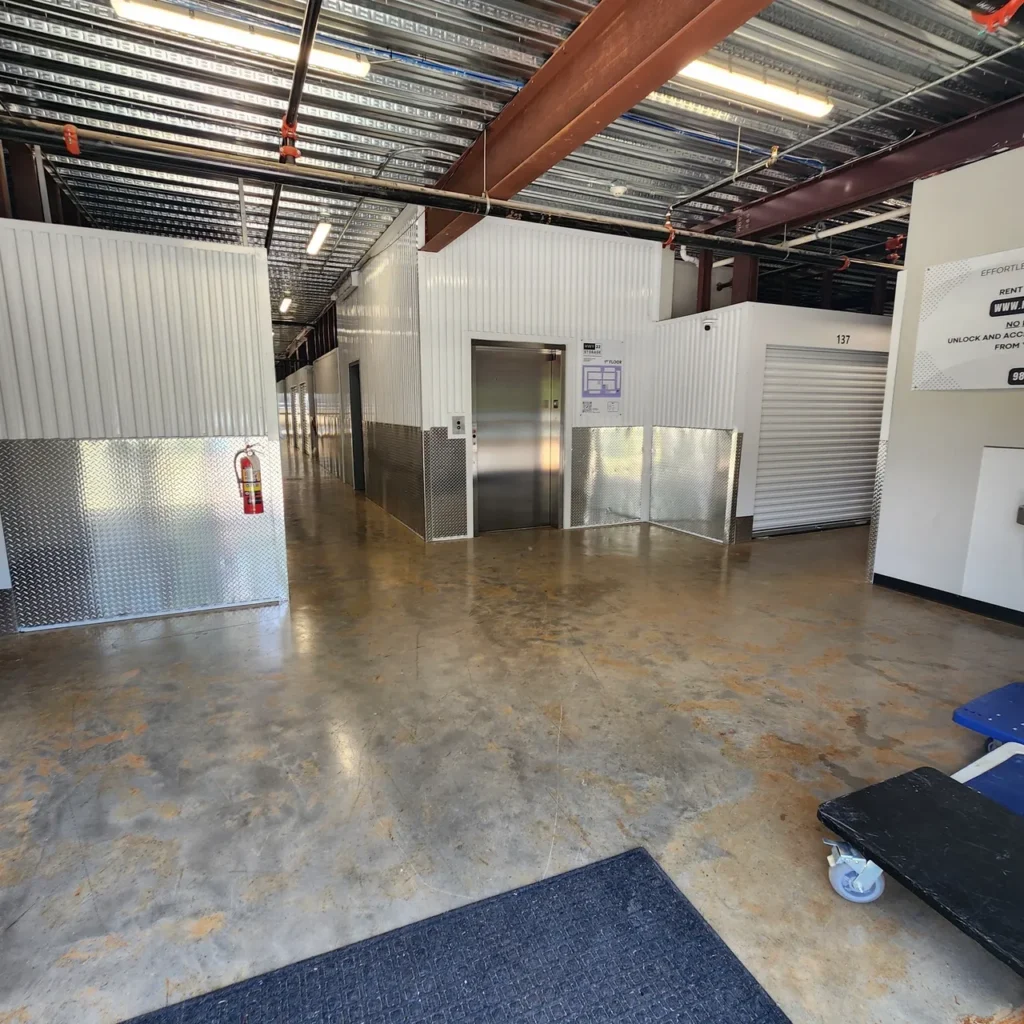
Storage Unit Sizes Explained: A Room-by-Room Guide to Choosing the Right Fit in Madisonville
The most common storage question is not what to store or where, it is simply what size to rent. Guess too small and you are back at the counter mid-move asking to upgrade. Guess too large and you are paying monthly for square footage you never use. Here is a straightforward, room-by-room way to land on the right size the first time.
Why the Guess Usually Goes Wrong
Most people size a unit based on how a room looks, not how it packs. A bedroom that feels modest in person often produces far more boxes and furniture than expected once everything is broken down and stacked. Sizing by category, what’s actually going in, rather than by eyeballing a room, gets you a far more accurate number.
5×5: The Closet Unit
A 5×5 unit is roughly the size of a small walk-in closet. It comfortably holds a few dozen boxes, a small dresser, and seasonal items like holiday decor or off-season clothing. It is the right call for a single room’s worth of overflow, a dorm room’s contents, or a first apartment’s worth of extra belongings.
5×10: The Single Room
Step up to a 5×10 and you have roughly a small bedroom’s worth of space, enough for a mattress set, a dresser, several boxes, and a bike or two. This is the most common size for college students storing an apartment over the summer or for someone clearing out one heavily used room.
10×10: The One-Bedroom Standard
A 10×10 is the workhorse size for a one-bedroom apartment or a small household’s worth of furniture: a sofa, a bedroom set, a dining table, several appliances, and a substantial number of boxes. It is also a popular size for a mid-size seasonal rotation, holiday decor, patio furniture, and off-season sporting gear together. For seasonal swaps specifically, our guide on choosing the right storage units for fall has more detail on rotating items through the year without over-renting.
10×15 and 10×20: The Full Household
These sizes hold the contents of a two- to three-bedroom home, including major appliances, multiple bedroom sets, a living room suite, and dozens of boxes. They are the go-to choice during a full move, a renovation that displaces the whole house, or a downsizing project where furniture needs somewhere to live while the family sorts through it.
10×30 and Larger: Vehicles, Boats, and Business Inventory
At the largest end, units this size handle boats, RVs, multiple vehicles, or a genuinely full four-plus bedroom household, along with commercial inventory and equipment. If a boat or RV is part of the plan, our post on essential features of a high-quality RV and boat storage facility covers what to look for beyond raw square footage, like drive-up access and ceiling height.
A Quick Room-by-Room Worksheet
- Count your rooms, then add roughly 20 boxes per average bedroom and 30 per living/common area as a rough baseline.
- List large furniture separately: sofas, bed frames, dressers, and appliances each meaningfully affect the size you need.
- Decide what stays out of storage entirely, daily-use items rarely belong in the total.
- When between two sizes, size up. A slightly larger unit that lets you keep a walking aisle is almost always worth the small difference in monthly cost.
Still Not Sure? Ask Instead of Guessing
Sizing charts get you close, but a quick conversation gets you exact. See current unit sizes and pricing on our main site, or reach out to our Madisonville team, tell us what rooms you are clearing out, and we will match you to the right footprint before you ever load the truck.