
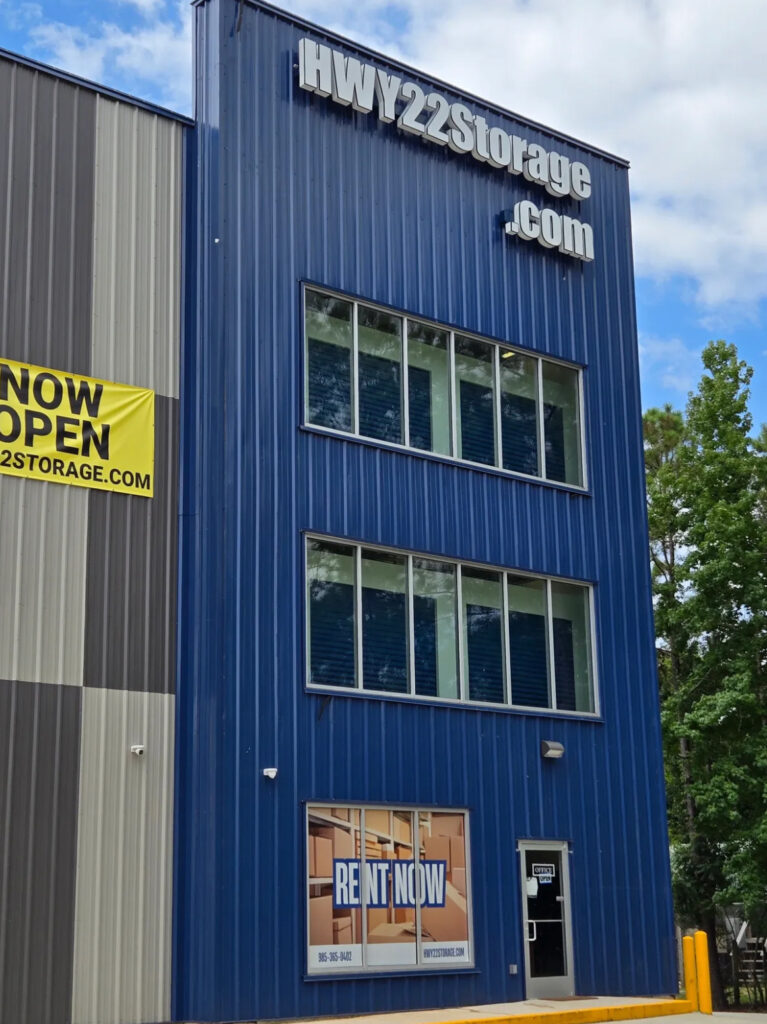
Most storage advice online focuses on what to pack, how to label, and how to stack. That is useful, but it skips something even more important: what you should absolutely never put in a storage unit in the first place. Whether you are renting in Madisonville, Covington, or Mandeville, knowing the no-go list will save you from ruined belongings, voided rental agreements, and in some cases real safety hazards. Here is the honest, practical breakdown every North Shore renter should read before unloading the truck.
The Hard Rules: Items That Are Always Prohibited
Every reputable self-storage facility in Louisiana has a set of items that are simply not allowed under any rental agreement. These are not arbitrary restrictions. They exist because the items are dangerous to neighboring units, illegal, or both.
- Flammable and combustible liquids including gasoline, kerosene, propane tanks, lighter fluid, paint thinner, and acetone. One leaking gas can in a hot Louisiana summer can ignite an entire row of units.
- Fireworks, ammunition, and explosives of any kind. Even sealed and original packaging is not enough.
- Toxic or hazardous chemicals such as pesticides, herbicides, industrial cleaners, asbestos, and biological waste.
- Stolen property or contraband including illegal substances. Storage facilities cooperate fully with law enforcement, and a lease does not protect what is inside the unit.
- Live animals or plants under any circumstance. Units are not ventilated for living things, and the welfare risk is severe.
- Perishable food including canned goods past expiration, opened pantry items, or pet food. These attract rodents and insects fast.
If you would not store it in a closed closet inside your home, do not store it in a unit. The closet test is a useful gut check.
Items That Are Legal but Should Still Stay Home
Beyond the prohibited list, there is a second category of items that you technically could store but really should not. These are things that suffer badly in any storage environment, even a climate-controlled one, or that are too valuable to be away from your direct supervision.
- Cash, jewelry, and irreplaceable original documents. A storage unit is secure, but a safe deposit box at a bank is purpose-built for high-value, small items. Use the right tool.
- Anything currently leaking or actively damaged. A wet mattress, a cracked aquarium, or a damp box of books will not improve in storage. Fix or dispose first.
- Open containers of food, even sealed in plastic. Once a snack bag has been opened, the smell will eventually attract pests no matter how tightly you reseal it.
- Houseplants, even hardy ones. They will not survive without light and water, and decaying plant matter will cause mold.
- Wet or damp anything. Lawn equipment, beach gear, tents, and pool toys must be completely dry before going into a unit. Trapped moisture causes mildew within days.
Items That Need Climate Control, Not Just Any Unit
Some belongings are perfectly storage-appropriate but only if you choose the right kind of unit. A non-climate outdoor unit can damage these items even in a single summer.
- Electronics including TVs, computers, gaming consoles, and stereo equipment. Heat warps circuit boards and humidity corrodes contacts.
- Wood furniture, especially antiques. Wood expands, contracts, and cracks when temperatures swing.
- Leather goods such as couches, jackets, boots, and bags. Untreated leather mildews quickly in Louisiana humidity.
- Photographs, books, and important paper. Paper absorbs moisture from the air, then warps and yellows.
- Musical instruments of every kind. Wood, strings, and pads all respond poorly to humidity changes.
- Wine and spirits collections, which need a stable temperature to retain quality.
- Artwork, paintings, and framed prints. Heat and humidity damage canvas, paper, and the adhesives that hold frames together.
To get a visual sense of how our units are built and what a clean, well-maintained unit actually looks like, watch our short storage units overview on YouTube. It will help you picture what kind of items belong where before you start loading the truck.
If your list of items leans heavily toward this category, climate-controlled is the right call. For a full breakdown of why, our post Why Climate-Controlled Storage is a Must for Your Valuables explains the specifics for North Shore weather.
Common Mistakes Even Experienced Renters Make
Even people who have rented storage before slip up on a few things. Watch for these:
First, packing in cardboard boxes that were used for fruit or groceries. They often carry pantry moths, ants, or weevils, and you will introduce all of them into your unit. Always use clean, new boxes or sealed plastic totes.
Second, stacking heavy items on furniture. Boxes of books on top of a wooden dresser will warp the top within a few months. Use shelving units or stack only on flat, hard surfaces.
Third, forgetting to clean and dry appliances before storage. A refrigerator stored with food residue inside will smell terrible within a week. Wipe down, dry completely, and leave doors propped slightly open.
If this is your first rental, our earlier guide First Time Renter’s Guide – Choosing & Renting a Storage Facility walks through the rest of the basics from the first phone call to move-in day.
Pack Smart, Store Right
The best storage experience starts before you ever drive to the facility. Make a list, separate the dangerous and the delicate from the rest, and pick a unit type that actually fits the contents. If you are not sure which size or which type is right for your belongings, explore our unit options on the main site or get in touch with our Madisonville team. We will walk you through what fits, what should stay home, and which unit type is the right match so your belongings come out exactly the way they went in.